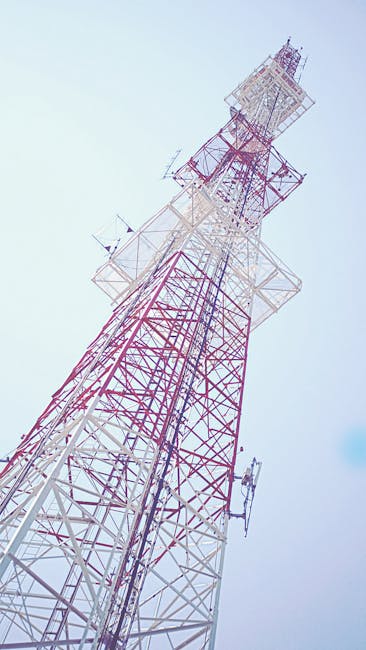
 Recognizing Wireless Systems: The Future of Connectivity
In today’s hectic digital world, wireless systems have become an important part of our daily lives. From smartphones and laptop computers to wise home gadgets, the dependence on cordless technology has risen drastically over the past decade. This quick advancement not only improves communication yet also boosts the general user experience, enabling smooth connections across numerous applications. In this article, we will certainly delve into what wireless systems require, their types, benefits, obstacles, and their future in a swiftly progressing technological landscape.
Wireless systems mainly entail the transmission of information over a range making use of electromagnetic waves rather than wired links. These systems can be categorized into several kinds, including Wi-Fi, Bluetooth, mobile networks, and satellite communication. Each type serves a distinctive objective and operates details frequencies to help with communication. As an example, Wi-Fi networks are typically utilized for computer network connection, while cellular networks make it possible for mobile interaction over substantial ranges, catering to millions of customers concurrently.
The benefits of cordless systems are manifold. To start with, they supply unrivaled benefit, enabling users to access details and services from essentially anywhere without being connected to a physical connection. This versatility has actually resulted in the surge of mobile computing and the Net of Points (IoT), where day-to-day objects are adjoined, improving performance and individual experience. Furthermore, wireless systems usually lower installation expenses and simplify network management, making them an appealing alternative for services and individuals alike.
Regardless of their various advantages, wireless systems additionally encounter challenges such as safety and security worries and signal interference. The open nature of wireless communication makes it at risk to unapproved access and data violations. Consequently, it is critical for customers and companies to carry out robust security actions, such as encryption and VPNs, to safeguard their information. In addition, variables like physical obstructions, range, and environmental conditions can cause indicate destruction, affecting the reliability of cordless communications.
Looking in advance, the future of wireless systems shows up bright, driven by continuous developments in technology. With the rollout of 5G networks, users can anticipate substantially faster rates, lower latency, and enhanced connection for an ever-growing variety of devices. This will certainly pave the way for developments in areas such as self-governing automobiles, telemedicine, and wise cities, placing wireless systems as the foundation of the linked globe. As technology continues to develop, so will certainly the capacities of cordless systems, ultimately improving the way we interact and communicate with our environments.
To conclude, wireless systems are not simply a short lived fad but a basic element of modern connection. Via recognizing their kinds, advantages, and difficulties, people and organizations can better value their importance in today’s electronic landscape. As we advance toward an extra interconnected future, embracing cordless innovation will be essential to unlocking new possibilities and boosting our day-to-day lives.
If You Think You Understand , Then This Might Change Your Mind